KPV 10 mg
KPV is the C-terminal tripeptide of α-melanocyte-stimulating hormone (α-MSH), the three-amino-acid sequence Lysine-Proline-Valine. Despite being only three residues, it retains much of α-MSH's anti-inflammatory signalling activity and has been studied extensively in gut-mucosal inflammation research and dermatological inflammation models.
What KPV actually is
KPV (Lys-Pro-Val) is the terminal tripeptide of α-MSH, the 13-amino-acid pro-opiomelanocortin-derived peptide. Researchers discovered that this three-residue fragment carries a large fraction of α-MSH's anti-inflammatory effect without its melanogenic activity, making it a clean research tool for studying mucosal and inflammatory pathways. The compound is small, stable, and well-suited to both oral and topical research protocols.
What the research literature covers
Published research on KPV spans gut-mucosal inflammation (animal models of colitis, Crohn's-disease-relevant inflammatory cascades), dermatological inflammation (skin barrier and pruritus research), and broader anti-inflammatory cytokine signalling (interleukin-1β and TNF-α suppression in cultured cells). KPV is one of the few research peptides with a substantive body of preclinical literature in both gastroenterology and dermatology — researchers studying either axis often start with KPV when designing protocols around α-MSH-pathway questions.
Quality verification — what to look for
KPV is a relatively short and inexpensive peptide to synthesise, which has resulted in highly variable quality across the research-supply market. The Wellness Labs framework: upstream manufacturing under ICH Q7 GMP, independent HPLC analysis at a third-party laboratory in the United States, ≥98% peak-area purity at λ=214 nm against pharmacopoeia reference standards. Each released batch carries a Certificate of Analysis available on request through the research account. Lyophilised powder format; reconstitution and storage protocol details accompany every shipment.
How Wellness Labs differs from alternative UAE suppliers
Most UAE-resident vendors that stock KPV source from short-chain peptide aggregators with brand-level rather than batch-level certification. The Wellness Labs differentiators: US-developed formulation specifications rather than offshore-only sourcing; batch-level independent HPLC chromatograms; in-chat protocol consultation through Nour (bilingual, English and Arabic); and same-day delivery within Dubai with VAT-compliant invoicing on every order. Single-step supply from the verified manufacturer — no intermediate repackagers.
In the kpv range

Common questions
- Is KPV legal in the UAE?
- KPV is classified as a research compound in the UAE and is sold through standard wellness-supply channels. Wellness Labs operates under standard UAE commercial trading rules with VAT compliance applied to every dispatch. Customers purchase for self-directed research use under their own protocol.
- What protocols do researchers typically use?
- Published animal-research doses vary by route. Oral protocols in colitis models often cite 50-500 mcg/kg body weight; intraperitoneal protocols range lower. In the grey-research community, daily oral or subcutaneous protocols of 200-500 mcg are most commonly reported, with cycles of 4-8 weeks. There is no consensus optimal protocol — the published evidence is largely preclinical.
- How is KPV typically administered?
- Researchers in published studies have used oral, intraperitoneal, intravenous, and topical routes depending on the target tissue. The tripeptide is stable enough for oral protocols, which is unusual among research peptides. Wellness Labs supplies the lyophilised powder; the choice of reconstitution and administration sits with the researcher.
- How does KPV differ from BPC-157 in gut-mucosal research?
- KPV and BPC-157 act through entirely different mechanisms. KPV inhibits pro-inflammatory cytokine signalling downstream of α-MSH receptor pathways. BPC-157 acts on growth-factor expression, angiogenesis, and tight-junction integrity. Researchers studying inflammation pathways use KPV. Researchers studying barrier repair use BPC-157. Some research protocols use both for complementary pathway coverage.
- Why pair KPV with Thymalin?
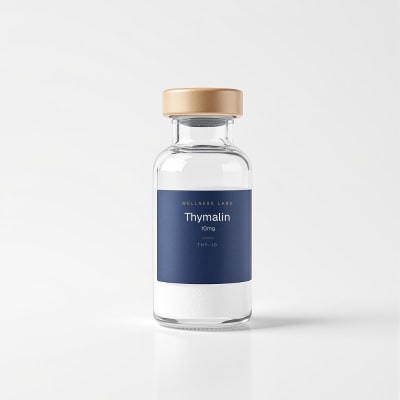
- KPV addresses the gut-mucosal/inflammatory axis (downstream cytokine suppression). Thymalin addresses the thymic-axis/immune-resilience axis (upstream T-cell maturation signalling). Researchers studying immune-mucosal interaction often deploy both in parallel because they cover non-overlapping pathways.
- How is KPV verified to be authentic?
- Every released batch ships with a Certificate of Analysis showing peak-area purity by HPLC at a US-based third-party laboratory, against pharmacopoeia reference standards. Method specifications and acceptance criteria are published on our quality page. Customers can request the chromatogram for any batch through their research account.
- What is the shelf life and storage protocol?
- Lyophilised KPV is ambient-temperature stable in transit. Long-term storage of lyophilised powder is recommended at -20 °C protected from light. After preparation for use, refrigerated storage with appropriate handling per the supplied protocol is required. Each shipment includes the storage and handling guidance for your batch.
- How fast is delivery in the UAE?
- Same-day delivery within Dubai, next-business-day across the rest of the UAE. GCC delivery (Saudi Arabia, Kuwait, Bahrain, Oman, Qatar) in 3-5 business days through our regional courier partners.
- Can I talk to someone about the protocol before I order?
- Yes. Nour, our in-chat research assistant, walks through the protocol options, what the literature actually shows, and whether KPV alone or a KPV + Thymalin pairing fits your research question. Available in English and Arabic. Tap "Talk to Nour" anywhere on this page.
Related categories
Not sure which is right for you?
Nour reads peer-reviewed studies and walks you through what each compound is best suited for. English or Arabic, inside the chat.